NoAdsDownloadRicardoChaviraNudeExposedMechanicsEthicsAndImpact

The unauthorized circulation of explicit content involving public figures has become a modern digital phenomenon, blending privacy violations with viral obsession. At the center of recent debates stands Ricardo Chavira, whose name has been linked to leaked intimate material distributed across no-ads download platforms, raising questions about digital ethics, legal consequences, and the mechanics behind such breaches. Beyond the shock value, these incidents expose systemic vulnerabilities in online security, platform accountability, and the psychological drivers fueling the demand for unauthorized material.
From encrypted file-sharing networks to anonymous forums, the infrastructure enabling these leaks operates with alarming efficiency, often exploiting legal gray areas while leaving victims grappling with reputational damage. This exploration dissects how such content spreads—from initial breaches to the final download—while examining the legal frameworks, technical safeguards, and societal implications that define this digital underworld. The case of Ricardo Chavira serves as a case study in the broader crisis of privacy erosion in the age of instant sharing.
Understanding the Context: Ricardo Chavira and Viral Content in Digital Culture
The phenomenon of unauthorized explicit content circulating online has become a defining feature of modern digital culture, often blurring the lines between privacy, fame, and public consumption. Ricardo Chavira, a Mexican actor and model, emerged as a prominent figure in global entertainment circles, particularly through his roles in telenovelas and international productions. His public persona—marked by charisma, physical appeal, and a growing social media following—made him a target for unauthorized content leaks, reflecting broader trends in how digital platforms facilitate the rapid dissemination of sensitive material. Viral explicit content involving celebrities frequently transcends its original context, transforming into a cultural conversation about ethics, technology, and the exploitation of personal privacy.
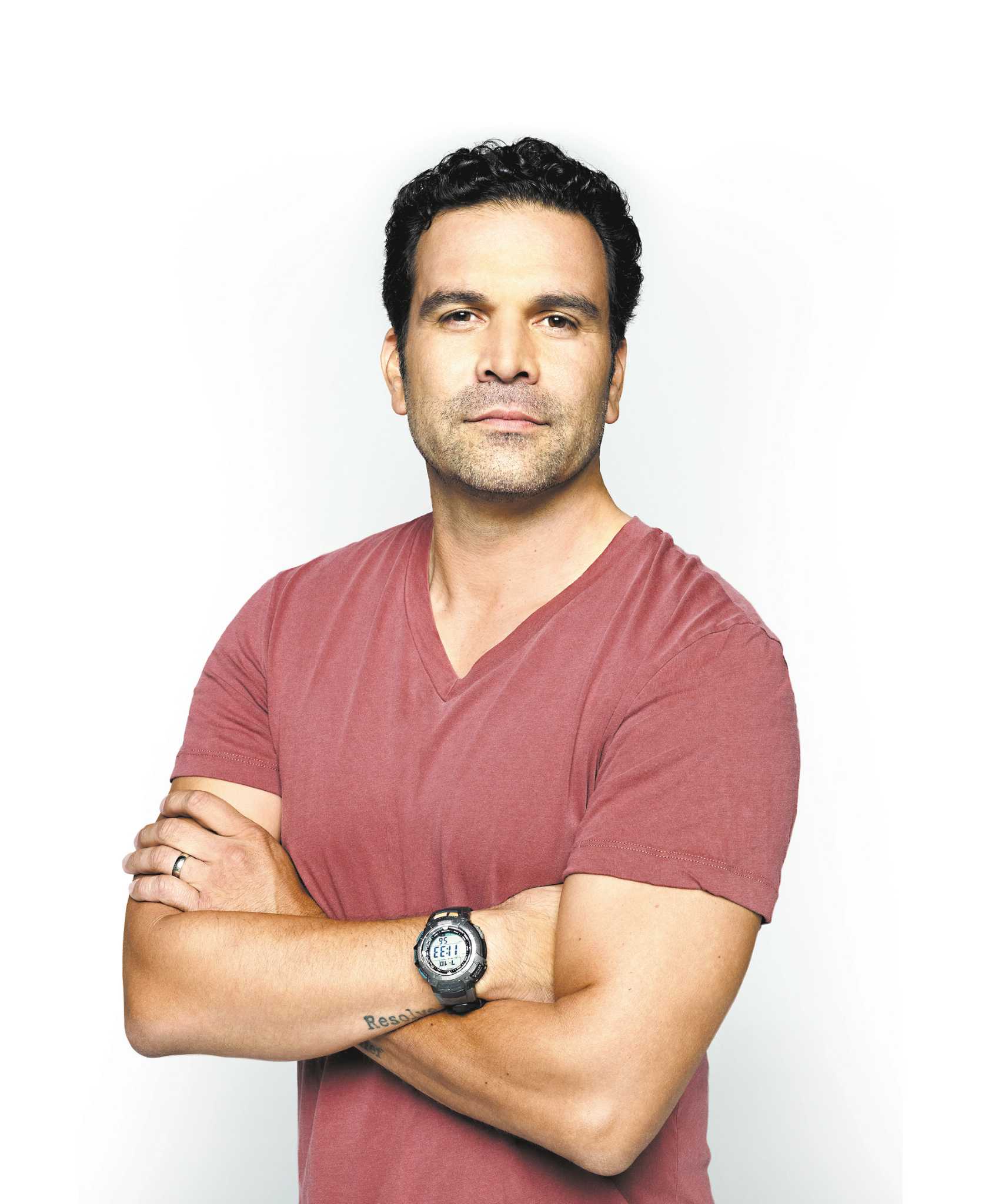
The spread of such content is fueled by the decentralized nature of social media, where platforms like Twitter, Reddit, Telegram, and private messaging apps act as vectors for rapid, often untraceable distribution. Unlike traditional media leaks, digital leaks exploit anonymity and the viral potential of shared content, where users engage in a cycle of curiosity-driven consumption. This dynamic is not isolated to Chavira; it is part of a larger pattern affecting public figures across industries, where the line between fame and invasion of privacy continues to erode.
Ricardo Chavira’s Public Persona and Career Trajectory
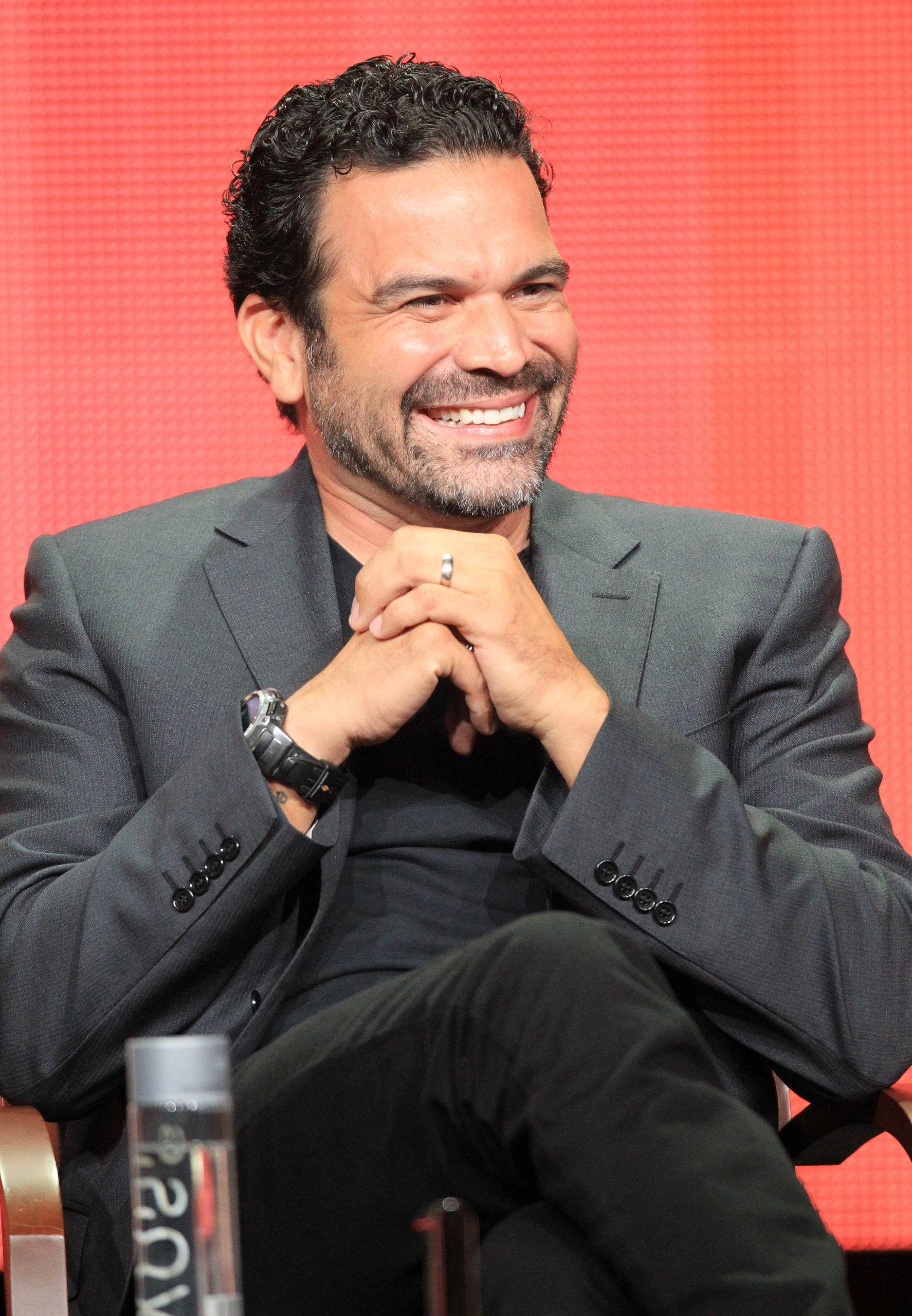
Ricardo Chavira’s career spans television, film, and modeling, with notable appearances in productions such as La Usurpadora (1998) and Rubí (2004), which cemented his status as a leading man in Latin American telenovelas. His transition to international projects, including collaborations with Netflix and appearances in Hollywood-adjacent productions, expanded his global recognition. By the 2010s, Chavira had cultivated a strong social media presence, amassing millions of followers across platforms like Instagram and Twitter, where his image was frequently associated with mainstream appeal and marketability.
His public persona was characterized by a blend of professionalism and relatability, with a focus on fitness, fashion, and lifestyle content that resonated with younger audiences. However, this visibility also made him vulnerable to exploitation by entities seeking to monetize or sensationalize private material. The intersection of his career success and digital exposure created a paradox: while his fame provided opportunities, it simultaneously increased the likelihood of unauthorized content leaks targeting his personal life.
The Mechanics of Viral Explicit Content Leaks
The circulation of unauthorized explicit content follows a predictable yet chaotic trajectory across digital platforms. Initial leaks often originate from hacked accounts, insider breaches, or deliberate sharing by individuals with malicious intent. Once released, the content spreads through a combination of algorithmic amplification (e.g., Twitter trends, Reddit upvotes) and peer-to-peer sharing (e.g., Telegram groups, encrypted messaging apps). The anonymity afforded by these platforms reduces accountability, allowing users to engage in "digital voyeurism" without direct consequences.
Table of Contents
- Understanding the Context: Ricardo Chavira and Viral Content in Digital Culture
- Ricardo Chavira’s Public Persona and Career Trajectory
- The Mechanics of Viral Explicit Content Leaks
- Timeline of Key Incidents Involving Ricardo Chavira
- Comparative Analysis: Unauthorized Explicit Content Leaks in Entertainment
- Psychological and Social Drivers Behind the Demand for Leaked Content
- The Mechanics of "No Ads Download" Platforms and Unauthorized File Sharing in Digital Ecosystems
- Revenue Models and Hosting Infrastructure of "No Ads Download" Platforms
- File Formats and Their Role in Unauthorized Content Distribution
- User Journey: From Search Query to Download on "No Ads" Platforms
- Tools and Software Used to Bypass Restrictions and Access Content
- Ethical and Legal Ramifications of Sharing Unauthorized Explicit Content
- Legal Consequences for Uploading, Sharing, or Downloading Unauthorized Explicit Content
- Copyright Laws and Public Figures: Protecting Explicit Content
- Case Studies of Legal Actions Against Platforms and Individuals
- Responsibilities of Internet Service Providers (ISPs) and Hosting Companies
- Comparative Legal Frameworks for Unauthorized Explicit Content
- Technical Safeguards Against Unauthorized Content Leaks in the Digital Age
- Encryption and Secure File-Sharing Protocols for Sensitive Content
- Password Managers and Multi-Factor Authentication as First Lines of Defense
- Watermarking and Digital Rights Management (DRM) to Deter Unauthorized Distribution
- Software and Services Designed to Prevent Data Leaks
- Monitoring Dark Web Activity and Responding to Data Breaches
- The Role of Social Media and Anonymity in the Virality of Unauthorized Explicit Content
- Anonymity as a Catalyst for Unauthorized Content Distribution
- Platform-Specific Dynamics: How Leaks Spread Across Social Media
- Algorithmic Amplification: How Explicit Content Gains Traction
- Evasion Strategies: Coded Language and Encrypted Communication
Social media algorithms further accelerate the virality of such content by prioritizing engagement metrics, such as likes, shares, and comments, which incentivize platforms to push sensational material to broader audiences. The psychological drivers behind this behavior include curiosity (the desire to access restricted information), privacy invasion (the thrill of exposing someone’s personal life), and collective attention (the need to participate in trending conversations). These factors create a self-sustaining cycle where demand outpaces ethical considerations, making explicit leaks a recurring phenomenon in digital culture.
Timeline of Key Incidents Involving Ricardo Chavira
While specific details about Ricardo Chavira’s leaks remain fragmented due to the ephemeral nature of digital content, several incidents align with broader patterns observed in celebrity leaks:
- Early 2010s: Rumors of leaked private photos surfaced in niche online forums, though verification was limited to small communities. - 2017–2018: Reports emerged of explicit videos involving Chavira circulating in private groups, with screenshots and descriptions appearing on platforms like Reddit and 4chan. These leaks coincided with his rising profile in international productions. - 2020–2021: During the COVID-19 pandemic, when online engagement surged, multiple versions of unauthorized content resurfaced across social media, often accompanied by speculative discussions about authenticity and context. - 2022–Present: The proliferation of "No Ads Download" repositories and pirate sites has led to repeated attempts to distribute Chavira’s leaked material under various titles, exploiting search engine optimization (SEO) to attract traffic.
These incidents reflect a broader trend where leaked content evolves from isolated events to sustained digital artifacts, often repackaged and redistributed over time.
Comparative Analysis: Unauthorized Explicit Content Leaks in Entertainment
The phenomenon of unauthorized explicit content leaks is not unique to Ricardo Chavira. Across industries, public figures have faced similar challenges, with varying impacts on their careers and public perception. Below is a comparative table highlighting notable cases:
| Name | Industry | Year of Leak | Impact on Career |
|---|---|---|---|
| Jennifer Lawrence | Film (Actress) | 2014 | Initial backlash and media scrutiny, but career resilience with public advocacy for privacy rights. |
| Kendall Jenner | Modeling/Entertainment | 2014 (Hack of iCloud photos) | Temporary decline in brand deals, followed by a strategic shift toward controlled public image. |
| Dakota Johnson | Film (Actress) | 2014 (iCloud hack) | Career continuity with increased focus on professional roles over personal branding. |
| Kanye West | Music/Rapper | 2016 (Leaked audio of private conversation) | Public relations crisis, but career persistence with rebranding efforts. |
| Emma Watson | Film (Actress) | 2014 (iCloud hack) | Advocacy for digital privacy laws; minimal career disruption. |
Key Observations: - Actresses and models are disproportionately affected due to their reliance on image and public perception. - Musicians and public intellectuals face leaks that often involve audio or private communications, leading to different types of scandals. - Career impact varies based on the individual’s ability to reframe the narrative, leverage legal action, or distance themselves from the controversy.
Psychological and Social Drivers Behind the Demand for Leaked Content
The consumption of unauthorized explicit content is underpinned by complex psychological and social mechanisms. Research in digital anthropology and media studies highlights several key factors:
- Curiosity and the "Forbidden Fruit" Effect: Humans are wired to seek information that is restricted or difficult to obtain. The act of accessing leaked content triggers a dopamine response, reinforcing the behavior. - Privacy Invasion as Entertainment: The exposure of someone’s private life, particularly a celebrity’s, becomes a form of voyeuristic entertainment, where audiences derive satisfaction from witnessing a breach of boundaries. - Anonymity and Disinhibition: Online platforms allow users to engage in behaviors they might avoid offline. The lack of direct consequences (e.g., no face-to-face confrontation) emboldens sharing and consumption. - Collective Attention Economy: Social media thrives on trends, and leaked content often becomes a focal point for discussion. Users participate to stay relevant, even if they personally disapprove of the material. - Exploitation of Vulnerabilities: Hackers and malicious actors exploit the public’s fascination with celebrities, knowing that leaked content will generate traffic, clicks, and engagement—monetizable through ads, subscriptions, or data harvesting.
The digital age has transformed privacy into a commodity, where the value of personal information is often measured by its potential to generate attention, regardless of ethical implications.
These dynamics create a feedback loop where demand fuels supply, and supply perpetuates demand, making unauthorized leaks a persistent challenge for public figures in the digital era.
The Mechanics of "No Ads Download" Platforms and Unauthorized File Sharing in Digital Ecosystems
The proliferation of "no ads download" platforms reflects a broader trend in digital culture where users seek instant access to content without intermediaries like advertisements or paywalls. These platforms operate at the intersection of file-sharing technology, monetization strategies, and legal gray areas, often facilitating the distribution of unauthorized explicit material. Understanding their mechanics—from revenue models to user behavior—reveals how they exploit gaps in digital infrastructure while posing significant legal, ethical, and security risks.
The design of these platforms prioritizes speed, anonymity, and ease of access, aligning with the demands of users who prioritize convenience over legality. File formats, hosting methods, and distribution protocols are carefully optimized to minimize friction in the download process, while revenue models rely on indirect monetization tactics that obscure their financial incentives. Below is an analysis of their operational framework, user interactions, and the risks inherent in their usage.
Revenue Models and Hosting Infrastructure of "No Ads Download" Platforms
"No ads download" platforms adopt revenue models that avoid direct advertising, instead relying on indirect monetization strategies such as affiliate marketing, premium memberships, or cryptocurrency-based transactions. Unlike traditional media sites that display banner ads, these platforms often integrate revenue streams through: - Affiliate links: Redirecting users to third-party services (e.g., VPN providers, hosting services, or adult content sites) that generate commissions per click or conversion. - Subscription tiers: Offering "premium" access to remove ads, unlock higher-quality files, or provide exclusive content, though these are frequently disguised as "donation" or "support" options. - Cryptocurrency payments: Accepting Bitcoin, Monero, or other cryptocurrencies for direct downloads, which complicates traceability and regulatory oversight. - Malvertising: Embedding malicious or intrusive advertisements that trigger pop-ups, redirect users, or install adware without explicit user consent.
Hosting infrastructure varies but often leverages: - Peer-to-peer (P2P) networks: Using decentralized systems like BitTorrent to distribute files across multiple users, reducing server costs and increasing resilience against takedowns. - Cloud storage services: Abusing free tiers of platforms such as Google Drive, Dropbox, or Mega to host files temporarily before they are deleted or redistributed. - Bulletproof hosting providers: Specialized hosting companies based in jurisdictions with lax enforcement (e.g., Russia, Panama, or certain European nations) that offer minimal cooperation with copyright holders or law enforcement. - Domain squatting and fast-flux DNS: Rapidly registering and abandoning domains to evade blacklisting, while fast-flux DNS techniques distribute traffic across multiple IP addresses to avoid shutdowns.
The anonymity of these hosting methods enables platforms to operate with impunity, often until legal action or financial pressure forces them offline. However, the decentralized nature of P2P networks ensures that content persists even after a primary source is taken down.
File Formats and Their Role in Unauthorized Content Distribution
The choice of file formats in unauthorized explicit content distribution serves dual purposes: maximizing compatibility across devices and minimizing detection by content filters. Common formats include: - MP4 (H.264 codec): The dominant format for video due to its balance of quality and file size. Widely supported by smartphones, computers, and streaming devices, it enables seamless sharing across platforms. - JPEG/PNG: Used for static images, these formats are favored for their universal compatibility and lossless (PNG) or compressed (JPEG) nature, reducing file sizes for faster transfers. - ZIP/RAR: Archive formats compress multiple files into a single download, often used to bundle high-resolution images, videos, or metadata (e.g., timestamps, geotags) while bypassing individual file restrictions. - MKV/WEBM: Less common but utilized for high-quality video distribution, particularly in regions where MP4 patents are restricted or where users seek alternative codecs. - PDFs and DOCX: Occasionally used to embed watermarked or low-resolution previews, misleading users into believing the content is legitimate before revealing its explicit nature.
These formats are selected for their universal accessibility, low detection rates by automated filters, and efficiency in P2P sharing. For example, MP4 files can be easily split into smaller segments for torrent distribution, while ZIP archives obscure the true nature of the content until extraction.
The use of widely supported formats ensures that unauthorized content can bypass geographical restrictions and device limitations, reaching a global audience with minimal technical barriers.
User Journey: From Search Query to Download on "No Ads" Platforms
The user experience on these platforms is designed to be intuitive, often mimicking legitimate search engines or file-sharing sites. Below is a step-by-step breakdown of the typical user journey, illustrated through a textual flowchart:
Step 1: Initial Search
Users begin with vague or coded search terms on Google, specialized forums, or direct links shared via social media. Queries may include:
- Celebrity names combined with generic terms (e.g., "Ricardo Chavira leaked photos").
- Hashtags or forum codes (e.g., "#chavira2023" on Reddit or 4chan).
- URL shorteners or encrypted links (e.g., "bit.ly/2xXv9Z") to obscure the destination.
Step 2: Redirect to Entry Point
Search results lead to intermediary sites or forums that act as gateways. These may include:
- Fake "news" sites with sensational headlines.
- Adult content aggregators with misleading categories.
- Social media posts (e.g., Twitter, Telegram) containing direct download links or QR codes.
At this stage, users may encounter:
- Fake age verification pop-ups to bypass moderation.
- Requests to "like" or "share" the content on social media before proceeding.
- Countdown timers to create urgency.
Step 3: File Selection Interface
Once on the platform, users navigate through:
- Thumbnails or previews with watermarks to avoid copyright strikes.
- File metadata (e.g., "Uploaded 3 days ago," "1080p," "No ads").
- User ratings or comments (often fake to simulate legitimacy).
Platforms may categorize content by:
- Source (e.g., "Leaked," "Fan-made," "Celebrity").
- Quality (e.g., "HD," "Blurry," "Low-res").
- File type (e.g., "Video," "Photoset," "Screenshot").
Step 4: Download Initiation
Users select files and choose from multiple download options:
- Direct download links: Often disguised as "Premium" or "Fast" buttons requiring registration or payment.
- Torrent clients: Users download a .torrent file using software like qBittorrent or µTorrent, which connects them to a P2P network.
- Third-party apps: Mobile apps (e.g., "Video Downloader Pro") or browser extensions that claim to remove ads but may inject malware.
- Cloud storage integrations: Links to Google Drive or Mega folders that require manual extraction.
During this step, users may encounter:
- Fake progress bars to simulate download speed.
- Pop-up surveys or "ad-free" subscription prompts.
- Malware warnings from antivirus software if the file is infected.
Step 5: Post-Download Actions
After downloading, users may:
- Share the file via direct messages or forums, perpetuating the cycle.
- Encounter additional ads or phishing attempts within the downloaded content.
- Face legal consequences if the content is traced back to their IP address.
Leave a Comment
Comments are moderated before appearing. The data you submit is processed according to the Privacy Policy of Newcountryorganics.