Rob Lowe Sex Video Unlocked Exposes Decades of Viral Fame
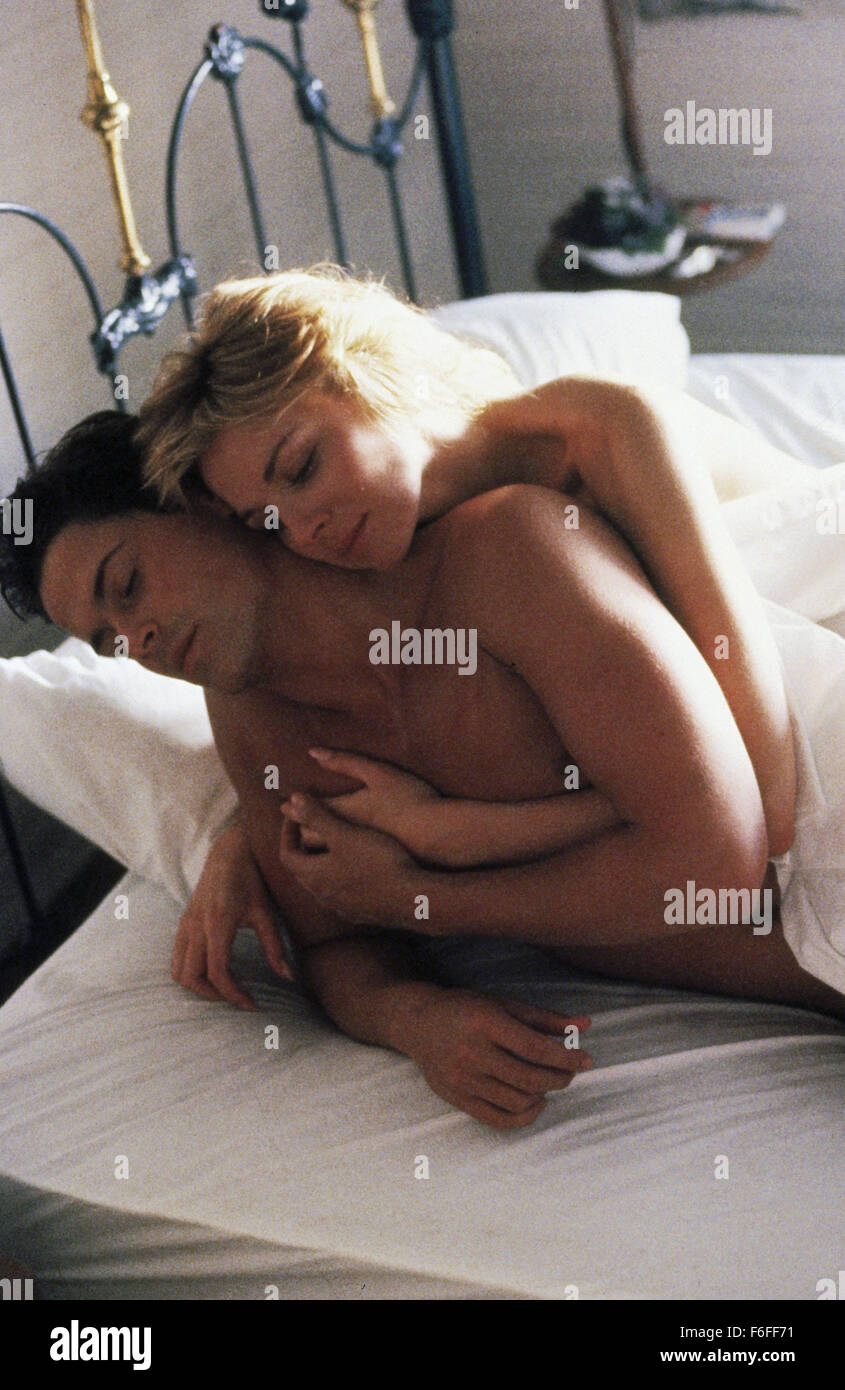
The 2003 Playboy interview that catapulted Rob Lowe into tabloid infamy remains one of Hollywood’s most dissected moments—a raw snapshot of celebrity culture at the dawn of the digital age. What began as a candid conversation in a magazine spread into a viral phenomenon, reshaping Lowe’s public persona from teen idol to a figure both revered and ridiculed. The interview’s most infamous lines, later immortalized in memes and parodies, became shorthand for the era’s unfiltered celebrity confessions, where boundaries between personal and public dissolved overnight.
Decades later, the phrase "rob lowe sex video unlocked" surfaces not just as a relic of early 2000s shock value but as a cultural flashpoint bridging analog and digital scandals. From bootleg VHS tapes to today’s torrent sites, the evolution of "unlocked" content mirrors broader shifts in media consumption—where curiosity, nostalgia, and rebellion collide. Lowe’s career, meanwhile, has defied expectations, reinventing itself through nostalgia-driven projects and a social media presence that leans into self-aware humor. The question lingers: How does a scandal from the pre-smartphone era resonate in an age where privacy is a relic and viral fame is currency?
Rob Lowe’s Viral Moments and the Playboy Interview of 2003: A Cultural Turning Point

Rob Lowe’s career has been marked by iconic roles that defined an era, but his 2003 Playboy interview emerged as a pivotal moment that reshaped public perception of celebrity vulnerability and media scrutiny. The interview, characterized by its candidness and unfiltered insights, became a cultural phenomenon, sparking debates about fame, authenticity, and the blurred lines between personal and professional lives. This section explores the origins of Lowe’s stardom, the context of the Playboy interview, and its lasting impact on celebrity culture, media discourse, and pop culture references.
Rob Lowe’s Early Career and the Foundation of His Iconic Status

Rob Lowe’s rise to fame in the 1980s was a defining chapter in Hollywood history, cementing his status as a leading man of his generation. His breakthrough role in The Outsiders (1983) alongside C. Thomas Howell and Matt Dillon showcased his ability to portray complex, emotionally raw characters, particularly as the troubled yet charismatic Steve Randle. The film’s success, coupled with his role in the short-lived but influential TV series Square Pegs (1982–1983), positioned Lowe as a youth icon capable of balancing humor and depth. His performance in 21 Jump Street (1987–1990) further solidified his appeal, transforming him from a teen idol into a versatile actor respected for his comedic timing and dramatic range.
Lowe’s early career was not merely about box office success but also about cultural relevance. His roles often reflected the anxieties and aspirations of Generation X, a demographic eager for relatable, flawed heroes. By the late 1980s, Lowe had evolved into a leading man capable of tackling more mature projects like About Last Night... (1986) and Young Sherlock Holmes (1985), demonstrating his versatility. This period established a template for his public image: a blend of boyish charm, intellectual curiosity, and a willingness to explore edgy, thought-provoking material. His ability to navigate these roles set the stage for his later foray into more controversial and personal territory, including the Playboy interview that would redefine his legacy.
Key Career Moments Leading to the 2003 Playboy Interview
Rob Lowe’s career trajectory in the 1990s and early 2000s was marked by a deliberate shift toward more sophisticated, often darker material, which contrasted with his earlier image. Projects like Field of Dreams (1989) and The Perfect Storm (2000) showcased his dramatic chops, while his work in television, including Picket Fences (1992–1996), earned him critical acclaim and a Primetime Emmy Award. However, it was his willingness to engage in candid, unfiltered conversations about his personal life and career that began to overshadow his on-screen achievements.
Table of Contents
- Rob Lowe’s Viral Moments and the Playboy Interview of 2003: A Cultural Turning Point
- Rob Lowe’s Early Career and the Foundation of His Iconic Status
- Key Career Moments Leading to the 2003 Playboy Interview
- Detailed Breakdown of the 2003 Playboy Interview
- Cultural Trends of the Early 2000s and the Virality of the Interview
- Comparison of Rob Lowe’s Public Image Before and After the Playboy Interview
- The Evolution of "Unlocked" Content: From Physical Media to Digital Sharing
- Physical Media and Bootleg Distributions in the Pre-Internet Era
- Digital Platforms and the Rise of File-Sharing Networks in the 2000s
- Technical Methods for Bypassing Restrictions: Codebreaking and DRM Circumvention
- Legal and Ethical Debates Surrounding "Unlocked" Content
- Comparing Early 2000s Access Methods to Modern Techniques
- Rob Lowe’s Career Resurgence and the Role of Nostalgia in Modern Media
- Transition from Teen Idol to Dramatic Actor: The West Wing and Brothers & Sisters
- Directorial Debuts and Creative Expansion Beyond Acting
- Nostalgia Marketing and the Revival of 1980s/90s Icons
- So Bad It’s Good Nostalgia and Rob Lowe’s Candid Engagement
- Comparison with Other Aging Actors: Strategies for Sustained Relevance
The late 1990s and early 2000s were a period of significant personal and professional reflection for Lowe. He openly discussed struggles with addiction, the pressures of fame, and the challenges of maintaining authenticity in Hollywood. These discussions foreshadowed the tone of his 2003 Playboy interview, where he would strip away the polished facade of celebrity to reveal a more vulnerable, introspective figure. The interview’s timing was particularly significant, as it coincided with a broader cultural shift toward greater transparency in celebrity narratives, driven in part by the rise of digital media and the decline of traditional tabloid gatekeeping.
A timeline of Lowe’s career highlights the moments that prepared the ground for the interview’s impact: - 1983: The Outsiders establishes Lowe as a leading teen actor and cultural icon. - 1987–1990: 21 Jump Street solidifies his comedic and action-star appeal. - 1992–1996: Picket Fences demonstrates his dramatic range and earns critical respect. - 2000: The Perfect Storm showcases his ability to handle high-stakes, emotionally intense roles. - 2001: Lowe’s public discussions about addiction and recovery begin to gain media attention, signaling a shift toward personal storytelling. - 2003: The Playboy interview becomes a viral sensation, blending career reflections with raw personal admissions.
Detailed Breakdown of the 2003 Playboy Interview
The Playboy interview conducted in 2003 was a departure from the typical celebrity spread, focusing less on glamour and more on Lowe’s unfiltered thoughts about fame, failure, and self-perception. The interview, conducted by Playboy editor-in-chief Christine Filardi, was published in the magazine’s September 2003 issue and quickly became one of the most talked-about celebrity interviews of the decade. Unlike previous interviews where Lowe had maintained a polished, professional image, this conversation revealed a more candid, sometimes self-deprecating side of the actor.
One of the most memorable aspects of the interview was Lowe’s admission of past struggles with addiction, particularly his battle with cocaine use in the 1980s. He described the pressures of early fame, the isolation of Hollywood, and the ways in which substance abuse became a coping mechanism. His honesty about these experiences resonated deeply with fans, many of whom had followed his career from its early days and were unaware of his private struggles. Lowe’s willingness to discuss these topics openly challenged the notion that celebrities were untouchable or immune to the same vulnerabilities as ordinary people.
Another standout element of the interview was Lowe’s critique of Hollywood’s treatment of actors, particularly the industry’s tendency to reduce individuals to their most marketable traits. He famously remarked, “I think the problem with Hollywood is that it’s a town full of people who are trying to be something they’re not.” This line encapsulated the interview’s central theme: the tension between authenticity and the performative nature of fame. Lowe’s observations were not merely personal reflections but a broader commentary on the industry’s culture, which had long been criticized for its superficiality and exploitation of talent.
The interview also included Lowe’s thoughts on aging and relevance in Hollywood, a topic that would later become a recurring discussion in celebrity culture. He acknowledged the challenges of maintaining relevance as an actor in his 40s, particularly in an industry that often favored youth and novelty. His remarks on this subject were prophetic, as they foreshadowed the broader conversations about ageism in Hollywood that would gain traction in the following decades.
Cultural Trends of the Early 2000s and the Virality of the Interview
The early 2000s were a transformative period for media consumption, marked by the rise of digital platforms, fan forums, and the decline of traditional gatekeepers in journalism. These cultural shifts played a crucial role in amplifying the virality of Rob Lowe’s Playboy interview. Before the widespread adoption of social media, fan communities relied on message boards, blogs, and email chains to dissect celebrity stories. The Playboy interview, with its candid and often provocative content, became a focal point for these discussions, sparking debates about authenticity, celebrity culture, and the ethics of media exposure.
Tabloids and entertainment news outlets also played a significant role in sustaining the interview’s relevance. Publications like Us Weekly, Entertainment Tonight, and online aggregators such as TMZ capitalized on the public’s fascination with celebrity scandals and personal revelations. The interview’s timing coincided with a broader trend of celebrities engaging in “tell-all” interviews, where vulnerability was monetized and sensationalized. However, Lowe’s interview stood out due to its depth and lack of exploitation, making it a rare example of a celebrity narrative that felt genuine rather than manufactured.
The rise of digital archiving further ensured the interview’s longevity. Websites like YouTube and early social media platforms allowed clips from the interview to be shared and repurposed, embedding it into the cultural lexicon. Memes, parodies, and references to Lowe’s most quoted lines became a staple of internet humor, particularly in discussions about celebrity culture and the pressures of fame. The interview’s enduring appeal can be attributed to its timing, content, and the broader cultural appetite for unfiltered celebrity narratives during this era.
Comparison of Rob Lowe’s Public Image Before and After the Playboy Interview
Rob Lowe’s public image underwent a significant transformation following the 2003 Playboy interview. Before the interview, he was primarily known as a versatile actor with a strong dramatic and comedic resume, but his persona was still largely defined by the polished, marketable image cultivated during his 21 Jump Street and The Outsiders days. After the interview, his public identity expanded to include a more introspective, vulnerable figure willing to engage in candid discussions about his personal struggles and industry critiques.
The following table compares key aspects of Lowe’s public image before and after the interview:
| Aspect | Before 2003 | After 2
The Evolution of "Unlocked" Content: From Physical Media to Digital SharingThe proliferation of "unlocked" content—material made accessible without legal authorization—has mirrored the rapid technological advancements of the past few decades. Before the digital revolution, explicit or restricted content circulated through closed networks, requiring physical media or direct access to private clubs. The transition from analog to digital formats in the 2000s democratized access, transforming how people consumed media, including adult content. This shift was not merely technological but also cultural, reshaping legal frameworks, ethical debates, and user behavior. The evolution of "unlocked" content reflects broader societal changes, from the rise of peer-to-peer file-sharing to the sophisticated cybersecurity tools of today, each stage introducing new risks, controversies, and adaptations.Physical Media and Bootleg Distributions in the Pre-Internet EraBefore the internet, accessing explicit or restricted content relied on physical distribution channels, often operating in legal gray areas. VHS tapes were a primary medium for adult films, distributed through specialized rental stores, mail-order services, or underground networks. Magazines like Playboy and Penthouse dominated print media, offering a mix of photography, articles, and fiction, with some editions featuring controversial or explicit imagery. Bootleg copies of films, including Hollywood movies and adult content, circulated through black markets, particularly in urban centers with high demand. These channels were often tied to organized crime or niche communities, where trust and discretion were paramount. The physical nature of these distributions created barriers to access. High production costs limited widespread availability, while geographical constraints meant consumers in remote areas relied on illegal copies or smuggling networks. Additionally, social stigma discouraged open discussion, pushing transactions into clandestine spaces like adult bookstores or private clubs. The lack of digital infrastructure meant that once a tape or magazine was purchased, it could not be easily replicated or shared beyond immediate networks. This era set the foundation for later digital piracy, as the demand for content outpaced legal and ethical supply mechanisms.Digital Platforms and the Rise of File-Sharing Networks in the 2000sThe late 1990s and early 2000s marked the digital revolution in content distribution, with file-sharing networks becoming the dominant method for accessing "unlocked" material. Platforms like Napster (1999), LimeWire (2000), and eDonkey (2001) enabled users to share MP3s, videos, and other files via peer-to-peer (P2P) technology. These networks operated by connecting users directly, eliminating the need for centralized servers and making it difficult for authorities to shut them down. For explicit content, forums like Alt.binaries on Usenet and early torrent sites (such as The Pirate Bay, launched in 2003) became hubs for distributing uncensored material. The technical mechanics of these platforms relied on decentralized networks, where users uploaded and downloaded files simultaneously. Torrent files, for example, used a distributed hash table (DHT) to track peers sharing the same content, ensuring efficient distribution even as individual users joined or left the network. Password-protected forums and invite-only communities further obscured access, requiring members to bypass registration barriers or share credentials. The anonymity provided by IP masking and proxy servers made it challenging for law enforcement to trace individuals, fueling the growth of underground sharing. The impact of these platforms extended beyond adult content. Movies, software, and music were also widely shared, leading to legal battles that reshaped copyright law. The Recording Industry Association of America (RIAA) sued Napster in 2000, setting a precedent for future anti-piracy litigation. Despite crackdowns, the cultural shift toward digital sharing persisted, with users prioritizing convenience and cost over legal restrictions.Technical Methods for Bypassing Restrictions: Codebreaking and DRM CircumventionThe technical evolution of "unlocked" content was driven by codebreaking, password-sharing communities, and DRM (Digital Rights Management) circumvention. As content producers implemented encryption and paywalls, hackers and tech-savvy users developed countermeasures. Early hacking forums, such as those on Phrack Magazine or 2600: The Hacker Quarterly, published tutorials on bypassing copy protection schemes. For example, DVD decryption tools like DeCSS (1999) allowed users to rip movies from discs, sparking legal battles over anti-circumvention laws like the Digital Millennium Copyright Act (DMCA). Password-sharing communities played a crucial role in accessing members-only content, particularly in adult entertainment. Websites like Hotmail or early social media platforms were used to distribute login credentials for premium sites, while bulletin board systems (BBS) hosted discussions on how to exploit vulnerabilities. The rise of botnets in the mid-2000s further automated the process, with hackers using stolen credentials to mass-distribute content. Proxy servers and VPNs (Virtual Private Networks) became essential tools for evading geo-blocks and censorship, allowing users in restricted regions to access global content. The cat-and-mouse game between content providers and hackers defined this era. DRM schemes like CSS (Content Scramble System) for DVDs and AACS (Advanced Access Content System) for Blu-rays were repeatedly cracked, leading to the development of hardware-based decryption tools (e.g., DVD drives with built-in decryption chips). Meanwhile, software exploits such as buffer overflow attacks were used to bypass authentication systems. These technical battles highlighted the tension between access and control, with each breakthrough in encryption met by a corresponding innovation in circumvention.Legal and Ethical Debates Surrounding "Unlocked" ContentThe proliferation of "unlocked" content sparked intense legal and ethical debates, particularly around copyright infringement, moral panics, and fair use. Governments and industry lobbies argued that piracy undermined creativity and cost jobs, while advocates for digital rights countered that strict enforcement stifled innovation and personal freedom. The DMCA (1998) became a flashpoint, with critics arguing it criminalized legitimate activities like software tinkering or academic research. Meanwhile, moral panics emerged, particularly around child exploitation material and revenge porn, leading to stricter laws like the PROTECT Act (2003) in the U.S. Copyright lawsuits targeted major platforms, with The Pirate Bay facing repeated shutdown attempts and Napster’s eventual closure in 2001 (though it later rebranded). The case of Universal City Studios v. Reimerdes (2000) set a precedent by ruling that circumventing CSS was illegal, even for personal use. Ethical arguments centered on fair use, with some scholars arguing that personal consumption of copyrighted material should be exempt. However, the lack of clear legal boundaries left users vulnerable to prosecution, particularly in cases involving commercial distribution. The ethical dimension also included debates over privacy and consent. The unauthorized distribution of leaked celebrity content, such as the 2014 iCloud hack, raised questions about hacking ethics and victim rights. While some argued that public figures forfeit privacy, others emphasized the need for stronger security measures. The psychological impact on victims further complicated the discourse, with cases like Rob Lowe’s 2003 Playboy interview highlighting the exploitation of personal boundaries in media.Comparing Early 2000s Access Methods to Modern TechniquesThe methods for accessing "unlocked" content have evolved dramatically, reflecting technological advancements and shifting user behaviors. In the early 2000s, dial-up internet limited speeds to 56 Kbps, making video sharing cumbersome. Users relied on low-resolution formats like WMV or AVI and torrent swarms that required hours to complete. Early smartphones (e.g., BlackBerry, iPhone 2007) had minimal storage and processing power, restricting mobile piracy to MMS or basic web browsing. CD/DVD burning was a common method for archiving content, while USB drives facilitated offline sharing. Today, high-speed broadband, 4K streaming, and cloud storage have transformed piracy. VPNs and proxy networks now offer near-instantaneous access to geo-blocked content, while dark web markets (e.g., The Real Deal, Hansa Market) provide encrypted transactions for illegal goods. Streaming piracy has surged with IPTV services and unauthorized live streams, bypassing traditional download-based models. Mobile devices now dominate, with apps like Popcorn Time or Kodi add-ons enabling on-the-go piracy. Meanwhile,Rob Lowe’s Career Resurgence and the Role of Nostalgia in Modern MediaRob Lowe’s post-2003 career trajectory exemplifies a masterclass in reinvention, leveraging nostalgia while simultaneously carving out new creative territory. The actor, once synonymous with 1980s teen heartthrobdom, transitioned into a multifaceted entertainer—actor, director, and cultural commentator—by strategically embracing his legacy while evolving beyond it. This resurgence was not merely a return to past glory but a calculated pivot toward relevance in an era dominated by digital media, millennial nostalgia, and intergenerational storytelling. Lowe’s ability to balance authenticity with commercial appeal, coupled with his willingness to engage directly with audiences through social media, has solidified his status as a bridge between generations, proving that nostalgia, when wielded thoughtfully, can be a powerful tool for sustained relevance. The resurgence of Rob Lowe’s career post-2003 can be attributed to three key pillars: critical acclaim in prestige television, directorial ambition, and a nuanced relationship with his iconic past. Unlike many actors who fade into obscurity after their prime, Lowe actively sought roles that challenged his typecasting while capitalizing on the cultural hunger for familiar faces. His shift from lighthearted leading man to dramatic actor began with The West Wing (1999–2006), where he played Sam Seaborn, a sharp-witted political aide whose wit and vulnerability offered a glimpse into Lowe’s dramatic range. This role not only earned him an Emmy nomination but also positioned him as a serious actor capable of depth and complexity. Following this, his work in Brothers & Sisters (2006–2011) further cemented his transition into dramatic territory, showcasing his ability to portray flawed, multidimensional characters in a family saga that resonated with audiences seeking emotional depth.Transition from Teen Idol to Dramatic Actor: The West Wing and Brothers & SistersRob Lowe’s career reinvention began with his move to Washington, D.C., where he took on the role of Sam Seaborn in The West Wing, a political drama that became a cultural phenomenon. The show’s success was partly due to its ensemble cast, but Lowe’s portrayal of the quick-witted, often sarcastic Seaborn stood out as a departure from his earlier roles. Seaborn was not just a love interest or a jock; he was an intellectual, a strategist, and a man grappling with personal demons, including alcoholism. This character allowed Lowe to demonstrate his comedic timing, emotional range, and ability to balance humor with pathos—a skill set that would become a hallmark of his later work. The impact of The West Wing on Lowe’s career cannot be overstated. The show’s critical acclaim and massive popularity (peaking at 22.2 million viewers per episode) provided him with a platform to redefine his public image. Lowe’s Emmy nomination for Outstanding Supporting Actor in a Drama Series in 2001 was a turning point, signaling to Hollywood that he was more than just a relic of the 1980s. His performance in the series also attracted a more mature audience, one that valued substance over star power. Following The West Wing, Lowe took on the role of Justin Walker in Brothers & Sisters, a prime-time soap opera that explored family dynamics, love, and politics. While the show was criticized for its melodrama, Lowe’s portrayal of a conflicted, ambitious young man added layers to his persona, proving his versatility in both comedy and drama.Directorial Debuts and Creative Expansion Beyond ActingLowe’s career resurgence extended beyond acting into directing, a move that underscored his desire to control his narrative and explore new creative avenues. His directorial debut came with the 2014 film Labor Day, a drama starring Kate Winslet and Josh Brolin. While the film received mixed reviews, Lowe’s involvement behind the camera demonstrated his ambition to shape stories beyond his on-screen persona. This foray into directing was not merely a vanity project but a strategic career move, allowing him to collaborate with other artists and contribute to the industry in a different capacity. Lowe’s directorial work continued with episodes of The Grudge (2020) and Only Murders in the Building (2021–present), where he directed episodes featuring Steve Martin and Martin Short. These projects highlighted his ability to work within different genres—from horror to comedy—while maintaining a consistent creative vision. His directing choices often reflected his personal interests, such as political dramas and ensemble-driven stories, aligning with his earlier acting roles. Additionally, Lowe’s involvement in producing projects like Wayward Pines (2014–2016) and The Grudge (2020) further diversified his career, allowing him to curate content that appealed to both nostalgic and contemporary audiences.Nostalgia Marketing and the Revival of 1980s/90s IconsNostalgia has become a cornerstone of modern media, and Rob Lowe has capitalized on this trend without relying solely on his past. Unlike actors who lean heavily into their former glory—think of Matthew Perry’s Friends reunions or Neil Patrick Harris’s Doogie Howser revivals—Lowe has adopted a more subtle, often self-aware approach to nostalgia. His appearances in shows like The Big Bang Theory (2014, as himself) and American Horror Story: Apocalypse (2018) served as cameos that delighted fans while also introducing his work to younger audiences. These appearances were not just nostalgia bait; they were carefully placed to reinforce his relevance in a way that felt organic rather than forced. Lowe’s role in Only Murders in the Building (2021–present) further illustrates his ability to leverage nostalgia while contributing fresh content. The show, a murder-mystery comedy, features an ensemble cast that includes Steve Martin and Martin Short, all of whom are veterans of their respective fields. Lowe’s character, Oliver Putnam, is a former child star navigating adulthood—a role that mirrors his own career trajectory. The show’s success (peaking at 1.2 million viewers per episode on Apple TV+) demonstrates how nostalgia, when paired with high-quality writing and humor, can attract both older fans and younger audiences. Additionally, Lowe’s hosting of The Late Show with Stephen Colbert (2022) as a guest host and his appearances on podcasts like Conan O’Brien Needs a Friend have kept him in the public eye in a way that feels current rather than retro.So Bad It’s Good Nostalgia and Rob Lowe’s Candid EngagementThe phenomenon of "so bad it’s good" nostalgia—where flawed or critically panned works are revisited for their cultural significance—has played a unique role in Rob Lowe’s modern relevance. Unlike actors who distance themselves from their less successful projects, Lowe has often embraced them with humor and transparency. His candid interviews, particularly those conducted by The Hollywood Reporter and Variety, frequently touch on his experiences filming Wayward Pines (a show he also produced) and The Grudge (2020), both of which were met with criticism. Rather than shying away from these projects, Lowe has used them as conversation starters, often joking about his past roles and the evolution of his career. This self-deprecating humor extends to his social media presence, where he frequently posts about his younger self with a mix of affection and amusement. For example, his tweets and Instagram posts often feature throwback photos from his Days of Our Lives or The Outsiders days, accompanied by captions that highlight the absurdity of his past fame. This approach has resonated with audiences, particularly millennials and Gen Z, who appreciate authenticity and a willingness to laugh at one’s own history. By acknowledging his past without clinging to it, Lowe has positioned himself as a relatable figure rather than a relic, making his nostalgia marketing feel fresh and engaging.Comparison with Other Aging Actors: Strategies for Sustained RelevanceRob Lowe’s approach to maintaining relevance differs significantly from that of his peers, such as Matthew Perry and Neil Patrick Harris. Perry’s return to Friends (2021) was a high-profile, emotionally charged reunion that capitalized on the show’s enduring popularity, but it also raised questions about whether his career was defined by nostalgia alone. Harris, on the other hand, has embraced his past through projects like Doogie Howser, M.D. (2019) and A Series of Unfortunate Events (2017–2019), but his success has also relied on his versatility as a singer and Broadway performer. Lowe’s strategy is more balanced; he engages with nostalgia but does not let it overshadow his current work. A comparison of their careers reveals key differences in how they leverage their pasts:The legacy of Rob Lowe’s Playboy interview extends far beyond its original shock value, serving as a case study in how celebrity, technology, and culture intersect. What started as a leaked moment became a blueprint for digital virality, while Lowe’s ability to pivot—from teen heartthrob to respected actor—highlights the power of reinvention in an industry obsessed with nostalgia. The "unlocked" content phenomenon it sparked continues to thrive, proving that some scandals never truly fade. Instead, they evolve, reflecting the ever-changing landscape of fame, privacy, and the relentless hunger for the next big reveal. |
|---|
Leave a Comment
Comments are moderated before appearing. The data you submit is processed according to the Privacy Policy of Newcountryorganics.