Telegram can sex make your period come faster claims need scientific scrutiny

Telegram groups buzz with claims that sexual activity can trigger early periods, blending personal anecdotes with unverified health advice. Users often share experiences suggesting orgasms or intercourse may accelerate menstrual bleeding, yet scientific evidence remains sparse and often misunderstood. The intersection of human biology and digital misinformation creates a landscape where myths about reproductive health spread faster than facts, leaving many women questioning their own bodies.
Behind these viral assertions lies a complex web of hormonal interactions, psychological responses, and physiological triggers. While oxytocin released during orgasm or prostaglandins involved in sexual arousal might theoretically influence uterine contractions, their direct role in altering menstrual timing remains speculative. The menstrual cycle, governed by delicate hormonal balances, is also susceptible to external stressors—from sleep deprivation to intense exercise—further complicating the narrative. What Telegram communities present as "proven" remedies often lack rigorous study, raising critical questions about how misinformation thrives in online health discussions.
Understanding the Claim: Can Sexual Activity Influence Menstrual Timing?
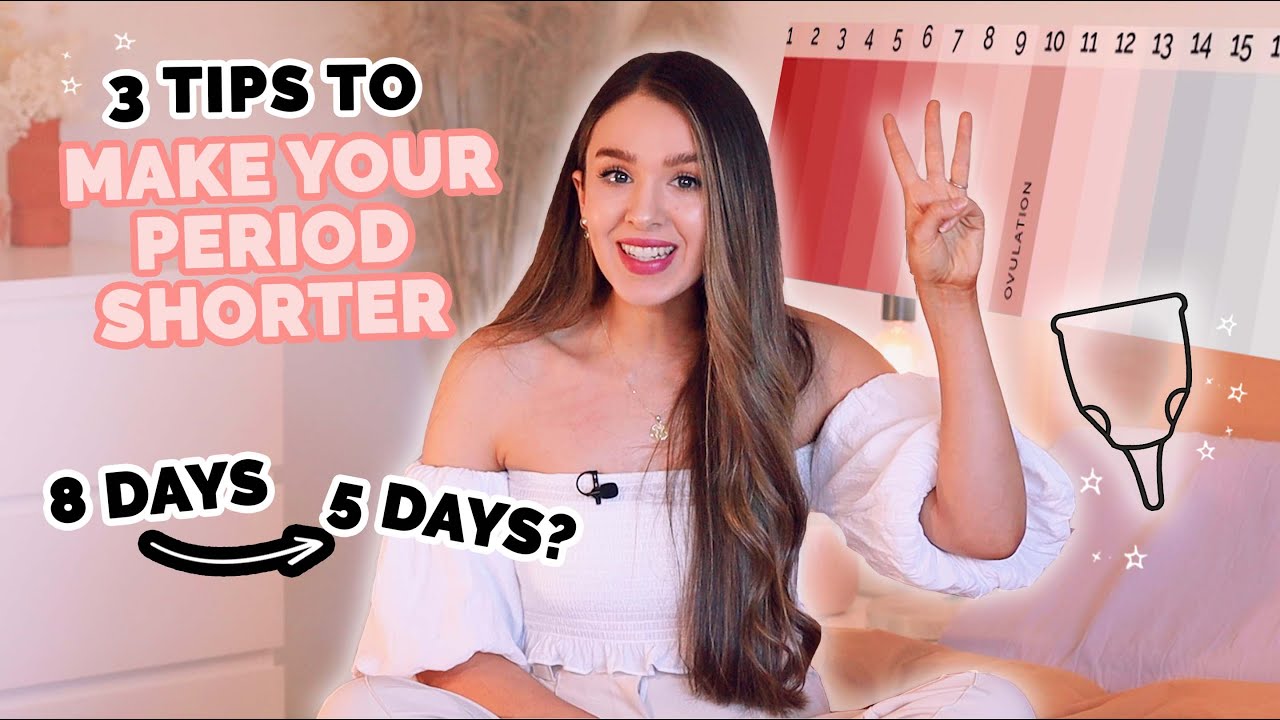
The human body operates through an intricate interplay of biological systems, where hormones serve as messengers regulating reproductive functions, including the menstrual cycle. A persistent claim in both anecdotal and digital discussions suggests that sexual activity—whether through arousal, intercourse, or orgasm—can accelerate the onset of menstruation. While this assertion may seem intuitive to some, its validity hinges on understanding the physiological mechanisms governing the menstrual cycle and how external stimuli, such as sexual activity, might interact with them. The menstrual cycle is not a static process but a dynamic sequence of hormonal fluctuations, tissue changes, and feedback loops that prepare the body for potential pregnancy. Sexual activity, in turn, triggers its own hormonal cascade, primarily centered around arousal, lubrication, and orgasm. To dissect whether these two systems can intersect to alter menstrual timing, it is essential to explore the biological underpinnings of both processes, evaluate existing research, and distinguish between scientific evidence and popular misconceptions.
Biological Mechanisms Linking Sexual Activity and Menstrual Cycle Phases

The menstrual cycle consists of four distinct phases: follicular, ovulation, luteal, and menstruation, each characterized by specific hormonal milestones. Sexual activity, particularly orgasm, induces physiological responses that involve the release of neurotransmitters and hormones such as oxytocin, prolactin, endorphins, and prostaglandins. These substances play critical roles in reproductive and stress responses, raising the possibility of indirect or direct interactions with the menstrual cycle.
During sexual arousal and orgasm, oxytocin—often referred to as the "bonding hormone"—is released in significant quantities. Oxytocin promotes uterine contractions, cervical dilation, and the release of stored milk in lactating individuals. Its role in menstruation is less direct but may influence uterine blood flow and cramping. Prostaglandins, another key player, are lipid compounds that induce uterine contractions and contribute to cervical ripening. While prostaglandins are primarily associated with menstruation and labor, their elevated levels during orgasm could theoretically enhance uterine activity, potentially leading to earlier shedding of the endometrial lining.
However, the menstrual cycle is primarily regulated by the hypothalamic-pituitary-ovarian (HPO) axis, which orchestrates the release of gonadotropin-releasing hormone (GnRH), follicle-stimulating hormone (FSH), and luteinizing hormone (LH). These hormones govern the development of follicles, ovulation, and the formation of the corpus luteum. Sexual activity does not directly disrupt this axis, but stress-related hormones like cortisol—which can be elevated or reduced depending on the context of sexual activity—may indirectly influence it. For instance, relaxed, pleasurable sexual encounters might lower cortisol levels, while stress-induced sexual activity could elevate them, both potentially impacting the timing of menstruation.
Menstrual Cycle Phases and Potential Points of Interference
The likelihood of sexual activity influencing menstrual timing varies significantly depending on the phase of the cycle. Below is a breakdown of each phase and the theoretical points where sexual activity might exert an effect:
Table of Contents
- Understanding the Claim: Can Sexual Activity Influence Menstrual Timing?
- Biological Mechanisms Linking Sexual Activity and Menstrual Cycle Phases
- Menstrual Cycle Phases and Potential Points of Interference
- Scientific Studies and Clinical Observations on Sexual Activity and Menstrual Timing
- Hormonal Interactions: Sexual Response vs. Menstrual Cycle Regulation
- Telegram Communities and the Spread of Misinformation on Sexual Activity and Menstrual Timing
- Types of Telegram Groups Discussing Sexual Activity and Menstrual Cycle Timing
- Excerpts and Patterns in User Discussions: Analyzing Language and Credibility
- Hormonal and Physical Factors That Influence Menstrual Timing: Medical and Lifestyle Determinants
- Medical Conditions Associated with Menstrual Cycle Disruptions
- Lifestyle Factors Disrupting Menstrual Regularity
- Follicular Phase (Days 1–13) This phase begins with menstruation and ends with ovulation. The endometrium thickens in preparation for potential implantation, while follicles in the ovaries mature under the influence of FSH. Sexual activity during this phase is less likely to impact menstrual timing directly, as the cycle is still establishing its hormonal baseline. However, prostaglandins released during orgasm could theoretically stimulate mild uterine contractions, potentially shortening the follicular phase in some individuals. Stress reduction from sexual activity might also stabilize hormonal fluctuations, indirectly supporting regular cycle progression.
- Ovulation (Around Day 14 in a 28-Day Cycle) Ovulation is triggered by a surge in LH, leading to the release of a mature egg. Sexual activity around this time is often associated with fertility awareness, but its direct impact on cycle timing is minimal. The oxytocin released during orgasm may enhance uterine receptivity, but it does not alter the timing of ovulation itself. However, if sexual activity occurs shortly before ovulation, the resulting hormonal shifts (e.g., increased prolactin) might subtly influence the luteal phase that follows.
- Luteal Phase (Days 15–28) This phase is marked by the formation of the corpus luteum, which secretes progesterone to maintain the endometrial lining. Progesterone levels rise sharply, and a drop in both progesterone and estrogen triggers menstruation. Sexual activity during the luteal phase is where the most plausible interactions occur. Oxytocin and prostaglandins from orgasm could theoretically induce mild uterine contractions, potentially advancing the shedding of the endometrial lining. Additionally, orgasm-related endorphin release might mask or reduce prostaglandin-induced cramping, indirectly altering the perception of menstrual onset.
- Menstruation (Days 1–7) Once menstruation begins, sexual activity is unlikely to accelerate its progression, as the endometrial shedding is already underway. However, orgasm-induced prostaglandins might enhance uterine contractions, leading to heavier or more frequent bleeding in the early stages of menstruation. This effect is temporary and does not shorten the overall duration of bleeding.
The luteal phase emerges as the most critical window for potential interference, as the balance between progesterone, estrogen, and stress-related hormones is delicate. Any disruption—whether from sexual activity, stress, or other factors—could theoretically tip this balance, leading to earlier or later menstruation.
Scientific Studies and Clinical Observations on Sexual Activity and Menstrual Timing
Research exploring the direct link between sexual activity and menstrual timing is limited, as most studies focus on fertility, contraception, or stress-related cycle disruptions. However, several observations and studies provide indirect insights:
1. Prostaglandin and Uterine Contractility A study published in the Journal of Obstetrics and Gynaecology Research (2003) examined the role of prostaglandins in menstrual cramps and found that orgasm-induced prostaglandin release could enhance uterine contractions. While this does not prove that menstruation is advanced, it suggests that sexual activity might influence the intensity and timing of bleeding within the menstrual phase.
2. Oxytocin and Menstrual Flow Research in Biological Psychology (2010) highlighted oxytocin’s role in uterine blood flow regulation. The hormone’s release during orgasm may contribute to vascular changes in the endometrium, potentially leading to earlier shedding if the uterine lining is already primed for menstruation. However, this effect remains speculative and requires further investigation.
3. Stress and the HPO Axis A meta-analysis in Psychoneuroendocrinology (2015) demonstrated that chronic stress delays ovulation and prolongs the follicular phase by disrupting GnRH pulsatility. Conversely, relaxing sexual activity—such as that associated with pleasure and bonding—might reduce cortisol levels, indirectly supporting a more regular cycle. This underscores the indirect rather than direct influence of sexual activity on menstruation.
4. Anecdotal and Observational Reports While not scientifically rigorous, many individuals report experiencing shorter luteal phases or earlier menstruation after intense sexual activity, particularly around the time of expected bleeding. These accounts often coincide with high-stress periods, suggesting that psychological factors (e.g., relaxation, stress relief) may play a larger role than physiological ones.
Limitations of Existing Research: Most studies on this topic suffer from small sample sizes, lack of controlled variables (e.g., stress levels, hormonal profiles), and reliance on self-reported data. Additionally, individual variability in hormonal responses, cycle length, and genetic factors complicates the establishment of universal conclusions.
Hormonal Interactions: Sexual Response vs. Menstrual Cycle Regulation
The following table compares key hormonal changes during sexual activity with those occurring naturally during the menstrual cycle, highlighting potential overlaps or conflicts:
| Hormone | Role in Sexual Response | Role in Menstrual Cycle Regulation | Potential Overlap or Conflict |
|---|---|---|---|
| Oxytocin | Stimulates uterine contractions, promotes bonding, enhances orgasmic pleasure. | Assists in cervical dilation during labor; may influence endometrial blood flow. | Oxytocin’s contractile effects on the uterus could theoretically advance endometrial shedding if progesterone levels are already declining (late luteal phase). However, its primary role in menstruation is indirect. |
| Prostaglandins | Induce uterine contractions during orgasm, contribute to cervical ripening. | Trigger uterine contractions during menstruation, leading to shedding of the endometrial lining.Telegram Communities and the Spread of Misinformation on Sexual Activity and Menstrual Timing
Telegram has emerged as a dominant platform for niche health discussions, including those surrounding menstrual irregularities and claims that sexual activity can influence cycle timing. Unlike regulated medical forums, Telegram’s decentralized structure—combined with end-to-end encryption and minimal moderation—creates an environment where unverified claims about sex and periods circulate freely. These discussions often thrive in private groups, where users share anecdotes, "natural remedies," and unverified theories without scientific scrutiny. The platform’s algorithmic amplification of engagement-driven content further exacerbates the problem, turning fragmented observations into widely accepted "facts." Understanding how these dynamics operate is critical to assessing the credibility of claims and mitigating the risks of misinformation that can impact reproductive health decisions.
Types of Telegram Groups Discussing Sexual Activity and Menstrual Cycle TimingTelegram hosts a fragmented ecosystem of health-related groups, each serving distinct purposes and audiences. These can be broadly categorized based on their intent, tone, and the nature of the information shared. While some groups prioritize evidence-based discussions, others lean heavily on personal anecdotes, alternative health philosophies, or commercial promotions. Below are the primary types of Telegram communities where discussions about sex and menstrual timing appear, along with their defining characteristics. Medical and Scientific Discussions These groups are typically moderated by healthcare professionals, researchers, or fact-checkers who aim to provide accurate, peer-reviewed information. Examples include:Excerpts and Patterns in User Discussions: Analyzing Language and CredibilityTelegram discussions about sex and periods frequently follow predictable patterns in language, structure, and credibility cues. Below are anonymized excerpts illustrating common themes, analyzed for tone, logical fallacies, and red flags. Pattern 1: Anecdotal Generalization Excerpt: > "I had sex on the 25th of my cycle (CD 25) and my period came on the 27th instead of the 28th. I did this 3 times in a row and it worked every time! Has anyone else tried this? Maybe it’s the oxytocin or something?" — @PeriodHackQueen, Women’s Wellness Hub Analysis:Hormonal and Physical Factors That Influence Menstrual Timing: Medical and Lifestyle DeterminantsMenstrual cycles are regulated by a delicate interplay of hormones, physiological responses, and external stimuli. While misconceptions often attribute menstrual timing changes to sexual activity, the actual mechanisms driving variations are rooted in endocrine disruptions, systemic health conditions, and lifestyle factors. Understanding these influences is critical for distinguishing between normal physiological fluctuations and pathological shifts requiring medical intervention. This section explores the medical conditions and lifestyle elements that significantly alter menstrual timing, supported by clinical evidence, hormonal pathways, and real-world case studies.Medical Conditions Associated with Menstrual Cycle DisruptionsMenstrual irregularities are frequently linked to underlying medical conditions that disrupt the hypothalamic-pituitary-ovarian (HPO) axis or endometrial health. These conditions often present with oligomenorrhea (infrequent periods), amenorrhea (absence of periods), or unpredictable cycle lengths, reflecting their impact on hormonal balance. Polycystic Ovary Syndrome (PCOS) PCOS is the most common endocrine disorder among reproductive-age women, affecting 5–10% of women globally and characterized by hyperandrogenism, ovulatory dysfunction, and polycystic ovaries. The primary hormonal imbalances involve:Lifestyle Factors Disrupting Menstrual RegularityBeyond medical conditions, lifestyle choices directly influence the HPO axis through neuroendocrine signaling, metabolic pathways, and physical stress. These factors often operate subtly, making their effects less obvious than pathological conditions. Sleep Patterns and Melatonin’s Role in Gonadotropin Regulation Sleep deprivation and circadian rhythm disruption alter melatonin secretion, a hormone with direct and indirect effects on reproductive hormones:The debate over whether sex can hasten periods exposes deeper flaws in how reproductive health advice circulates online, where personal stories often overshadow clinical consensus. While sexual activity may induce temporary physiological changes, its ability to reliably alter menstrual timing is not supported by robust evidence. Instead, factors like stress, hormonal disorders, or lifestyle disruptions play more predictable roles in cycle irregularities. For those seeking answers, distinguishing between anecdotal claims and medically validated insights becomes essential—especially in spaces like Telegram, where unverified trends can reshape perceptions of women’s health. |
Leave a Comment
Comments are moderated before appearing. The data you submit is processed according to the Privacy Policy of Newcountryorganics.