The Definitive Guide to Choosing the Best Chlorine Injection System for Well Water
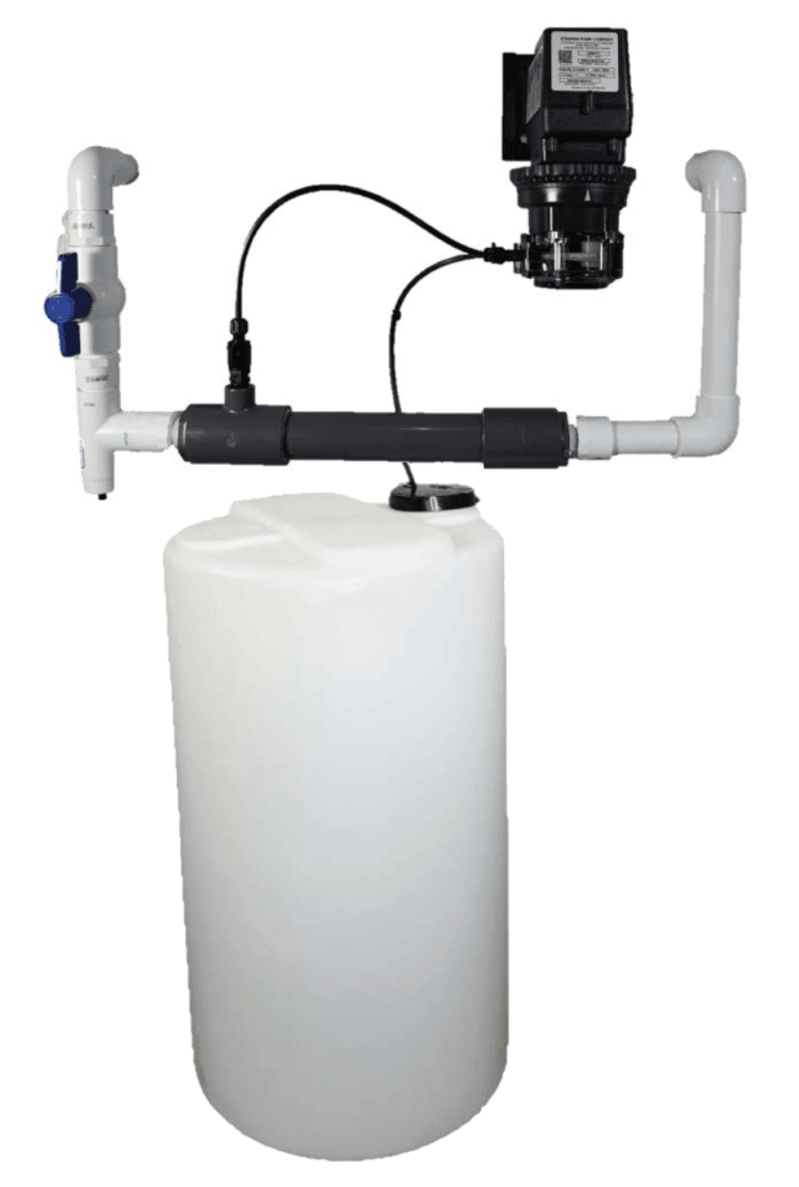
Well water is a self-sufficient resource, but its purity hinges on a single, often overlooked factor: disinfection. Without proper treatment, bacteria, viruses, and contaminants can turn a private well into a health hazard. Chlorine injection systems have long been the gold standard for eliminating pathogens in well water, but not all systems deliver the same results. The right chlorine injection system for well water balances efficiency, safety, and longevity—yet selecting one requires navigating technical specifications, installation complexities, and long-term maintenance costs.
Homeowners and water treatment professionals alike face a critical decision: Which system ensures consistent, reliable disinfection without overchlorination or excessive operational costs? The answer lies in understanding the nuances of chlorine injection technology—from the science behind it to the practical implications of system selection. This guide cuts through the noise to provide an authoritative breakdown of the best chlorine injection systems for well water, their mechanisms, benefits, and how emerging innovations are reshaping the industry.
Whether you’re dealing with a new well installation or upgrading an existing system, the choice of chlorine injector can mean the difference between crystal-clear, safe water and a recurring battle with contaminants. The systems available today range from basic manual injectors to automated, smart-controlled units—each with trade-offs in precision, energy use, and scalability. The goal? A solution that aligns with your water quality needs, budget, and long-term sustainability.
The Complete Overview of the Best Chlorine Injection System for Well Water
The best chlorine injection system for well water is not a one-size-fits-all product but a tailored solution that addresses specific challenges in well water treatment. These systems work by introducing a precise dose of chlorine—typically in liquid or gas form—into the water stream, ensuring pathogens are neutralized before distribution. The effectiveness of such a system depends on three critical factors: the chlorine concentration, the injection method (venturi, diffusion, or chemical feed pumps), and the system’s ability to maintain residual chlorine levels post-treatment.
Modern chlorine injection systems for well water have evolved beyond basic chlorine tablets or bleach dosing. Today’s units integrate flow meters, automatic dosing controls, and even remote monitoring to adapt to varying water pressures and flow rates. For instance, a well with intermittent usage (like a vacation home) may require a system with a bypass feature to prevent chlorine waste, while a high-flow municipal well might demand a high-capacity injector with redundant safety mechanisms. The key is matching the system’s specifications to the well’s hydraulic characteristics and contaminant profile.
Historical Background and Evolution
Chlorine’s role in water disinfection dates back to the early 20th century, when its germicidal properties were first harnessed to combat waterborne diseases like cholera and typhoid. However, the transition from municipal water treatment to residential well systems required a shift in technology. Early chlorine injection methods relied on manual addition of bleach or hypochlorite solutions, which were inconsistent and often led to over- or under-dosing. The 1970s and 1980s saw the rise of venturi injectors, which used water pressure to draw chlorine into the stream—a more controlled approach that reduced human error.
Table of Contents
- The Complete Overview of the Best Chlorine Injection System for Well Water
- Historical Background and Evolution
- Core Mechanisms: How It Works
- Key Benefits and Crucial Impact
- Major Advantages
- Comparative Analysis
- Future Trends and Innovations
- Conclusion
- Comprehensive FAQs
- Q: What is the ideal chlorine residual level for well water?
- Q: Can I use a chlorine injection system with an existing well pump?
- Q: How often should I test my well water after installing a chlorine injection system?
- Q: What type of chlorine should I use in my injection system?
- Q: Are there any alternatives to chlorine for well water disinfection?
- Q: How do I troubleshoot a chlorine injection system that isn’t working?
- Q: Can a chlorine injection system remove iron, sulfur, or other minerals from well water?
By the 1990s, advancements in electronics and materials science introduced automated chlorine injection systems for well water, featuring programmable logic controllers (PLCs) and corrosion-resistant components. These systems could adjust chlorine levels dynamically based on flow rates and residual chlorine tests, a far cry from the static dosing of earlier models. Today, smart injectors with Wi-Fi connectivity allow users to monitor chlorine levels via mobile apps, further refining the precision of disinfection. This evolution reflects a broader trend in water treatment: moving from reactive to predictive, from manual to autonomous.
Core Mechanisms: How It Works
The operation of a chlorine injection system for well water revolves around three primary methods: venturi injection, diffusion injection, and chemical feed pumps. Venturi systems, the most common, leverage the Bernoulli principle—where a constriction in the pipe creates a pressure drop that sucks in chlorine solution from a side port. The ratio of chlorine to water is controlled by adjusting the venturi’s throat size or the chlorine solution’s concentration. Diffusion injectors, less common but useful in low-pressure systems, rely on a porous stone or membrane to diffuse chlorine gas evenly into the water stream.
Chemical feed pumps, often used in high-demand applications, provide the most precise dosing by metering chlorine solution directly into the water line via a diaphragm or peristaltic pump. These systems are ideal for wells with variable flow rates or where exact chlorine residual levels are critical. Regardless of the method, the goal is to achieve a free chlorine residual of 0.5–2.0 ppm in the distribution system, ensuring pathogens are inactivated without creating harmful byproducts. The system’s efficiency also hinges on proper piping design, with injectors typically installed downstream of the well pump but upstream of any filtration media.
Key Benefits and Crucial Impact
Investing in a high-quality chlorine injection system for well water is not just about compliance with health regulations—it’s a proactive measure to safeguard against waterborne illnesses and extend the lifespan of plumbing infrastructure. The benefits extend beyond public health, influencing water taste, odor, and the longevity of household appliances. For instance, unchecked bacterial growth can lead to slime formation in pipes, reducing water pressure and increasing energy costs for pumps. A well-maintained chlorine system mitigates these issues by ensuring consistent disinfection.
From a practical standpoint, the right system reduces the need for costly deep-well treatments or replacement of contaminated pipes. It also simplifies compliance with local water quality standards, which often mandate chlorine residuals for private wells. The long-term savings—both in health costs and infrastructure upkeep—far outweigh the initial investment in a reliable chlorine injection system for well water. However, the advantages are only realized with proper installation, regular maintenance, and accurate testing of residual chlorine levels.
"A well-disinfected water system is the first line of defense against waterborne pathogens, and chlorine injection remains the most cost-effective and reliable method for achieving this."
— U.S. Environmental Protection Agency (EPA) Guidelines on Private Well Disinfection
Major Advantages
- Pathogen Elimination: Chlorine effectively neutralizes bacteria (e.g., E. coli, Coliform), viruses, and protozoa, reducing health risks associated with untreated well water.
- Automation and Precision: Modern systems use flow sensors and PLCs to adjust chlorine dosing in real-time, preventing waste and ensuring optimal residuals.
- Scalability: From small residential wells to large agricultural systems, chlorine injectors can be configured for low to high flow rates (typically 1–1,000 GPM).
- Low Operating Costs: Compared to alternative disinfection methods (e.g., UV systems), chlorine injection is economical, with minimal ongoing expenses for chemicals or electricity.
- Compatibility with Other Treatments: Chlorine systems can be integrated with sediment filters, iron removal units, or activated carbon filters for comprehensive water treatment.

Comparative Analysis
Selecting the best chlorine injection system for well water requires weighing factors like initial cost, maintenance requirements, and adaptability to your well’s specific conditions. Below is a comparative overview of leading system types:
| System Type | Key Features & Considerations |
|---|---|
| Venturi Injectors | Pros: Low maintenance, no electricity required, cost-effective for low-to-medium flow wells. Cons: Less precise dosing; pressure-dependent; may require manual adjustments for variable flow rates. |
| Diffusion Injectors | Pros: Ideal for low-pressure systems, even chlorine distribution, no moving parts. Cons: Limited to gas chlorine (not liquid), slower response to flow changes, higher upfront cost. |
| Chemical Feed Pumps | Pros: Highly accurate dosing, suitable for high-flow or variable-rate wells, programmable controls. Cons: Higher initial cost, requires electricity, more complex maintenance (e.g., diaphragm replacement). |
| Automated Smart Injectors | Pros: Remote monitoring, adaptive dosing, integration with water quality sensors, ideal for smart homes. Cons: Premium pricing, dependency on Wi-Fi/connectivity, potential for technical issues. |
Future Trends and Innovations
The future of chlorine injection systems for well water is poised for disruption, driven by advancements in sensor technology and sustainable chemistry. One emerging trend is the integration of real-time water quality sensors that adjust chlorine dosing based on instantaneous contaminant levels, rather than relying on pre-set residuals. These systems could leverage AI algorithms to predict dosing needs, reducing chemical waste and improving efficiency. Additionally, the development of alternative chlorine compounds—such as stabilized hypochlorous acid—may offer safer, longer-lasting disinfection without the harsh taste or odor associated with traditional chlorine.
Another innovation on the horizon is modular, plug-and-play chlorine injection units designed for easy installation in existing wells. These systems could include built-in diagnostics to alert users to clogged injectors, low chlorine levels, or pump failures before they escalate. Sustainability is also a growing focus, with manufacturers exploring biodegradable chlorine carriers and energy-efficient pumps to reduce the environmental footprint of well water treatment. As smart home technology becomes more prevalent, expect to see chlorine injectors with voice control and seamless integration into home automation platforms.

Conclusion
The best chlorine injection system for well water is one that aligns with your well’s unique demands while future-proofing your investment against evolving contaminants and regulations. Whether you prioritize simplicity (venturi injectors), precision (chemical feed pumps), or smart automation, the right choice hinges on a thorough assessment of your water quality, flow dynamics, and budget. Ignoring the need for proper disinfection can lead to costly repairs, health risks, and the frustration of inconsistent water quality.
For homeowners, the process begins with testing your well water for bacteria and chlorine demand, followed by consulting with a water treatment specialist to select a system with the appropriate capacity and features. Professionals in the field should stay abreast of advancements in automated dosing and sensor technology to offer clients the most efficient solutions. Ultimately, a well-chosen chlorine injection system is an invisible guardian of your water supply—one that works silently to ensure safety, purity, and peace of mind.
Comprehensive FAQs
Q: What is the ideal chlorine residual level for well water?
A: The U.S. EPA recommends a free chlorine residual of 0.5–2.0 ppm in the distribution system to ensure effective disinfection without overchlorination. Residuals below 0.5 ppm may fail to kill pathogens, while levels above 2.0 ppm can cause taste, odor, and corrosion issues in plumbing.
Q: Can I use a chlorine injection system with an existing well pump?
A: Yes, but the system must be compatible with your pump’s pressure and flow rate. Venturi injectors are often the easiest to retrofit, while chemical feed pumps may require additional electrical connections. Consult a professional to ensure proper sizing and installation to avoid pump strain or inconsistent dosing.
Q: How often should I test my well water after installing a chlorine injection system?
A: Test for chlorine residuals and bacterial contamination every 3–6 months, or more frequently if your well is prone to contamination (e.g., near agricultural runoff or septic systems). Regular testing ensures the system is functioning correctly and prevents under- or over-dosing.
Q: What type of chlorine should I use in my injection system?
A: Liquid sodium hypochlorite (bleach) is the most common and cost-effective option for residential systems. For larger wells or commercial applications, calcium hypochlorite tablets or gas chlorine may be more practical. Always follow manufacturer guidelines for concentration and compatibility with your injector.
Q: Are there any alternatives to chlorine for well water disinfection?
A: Yes, alternatives include UV light systems (which require regular lamp replacements), ozone generators (high energy consumption), or hydrogen peroxide injection (less common but effective for specific contaminants). However, chlorine remains the most reliable and affordable option for most private wells due to its residual disinfectant properties.
Q: How do I troubleshoot a chlorine injection system that isn’t working?
A: Common issues include clogged injectors (clean or replace the venturi/diffuser), low chlorine solution (refill or adjust concentration), or air leaks in the system (inspect piping and fittings). If the problem persists, check the system’s pressure gauge and ensure the chlorine feed rate matches your well’s flow rate. For electrical systems, verify power supply and sensor functionality.
Q: Can a chlorine injection system remove iron, sulfur, or other minerals from well water?
A: No, chlorine injection is primarily for disinfection and does not address iron, manganese, sulfur bacteria, or hardness. For comprehensive treatment, pair your chlorine system with an iron filter, oxidation tank, or water softener, depending on your water’s specific contaminants.
Leave a Comment
Comments are moderated before appearing. The data you submit is processed according to the Privacy Policy of Newcountryorganics.