Yailin La Mas Viral Leaked Unlocked File Sparks Digital Culture Storm
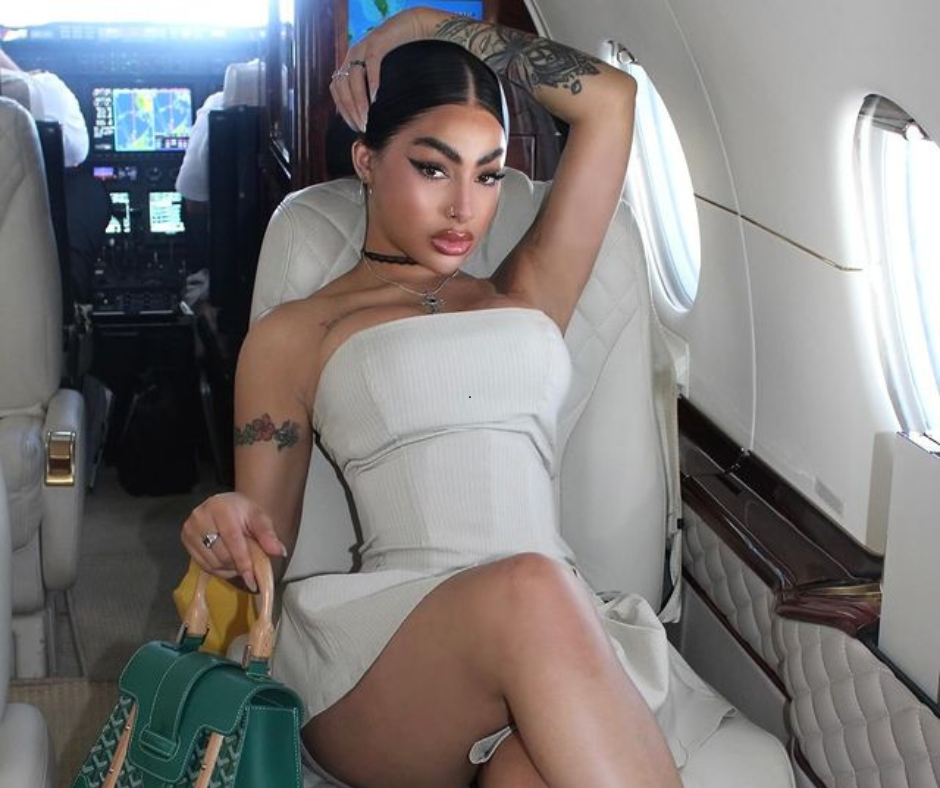
The sudden emergence of the Yailin La Mas Viral leaked unlocked file has sent shockwaves through digital music circles, exposing the raw, unfiltered energy behind Latin urban trends. What began as an anonymous upload on obscure forums quickly morphed into a global phenomenon, fueled by memes, remixes, and a collective hunger for exclusive content. The file’s rapid dissemination across platforms like TikTok and Telegram underscores how digital leaks now dictate modern entertainment consumption, blending artistry with algorithmic virality.
At its core, the leak represents more than just unauthorized content—it symbolizes the shifting power dynamics between artists, fans, and tech intermediaries. While Yailin La Mas Viral remains a pseudonymous figure, the file’s cultural footprint reveals deeper trends: the exploitation of platform vulnerabilities, the ethical gray areas of digital piracy, and the unpredictable lifecycle of internet-fueled creativity. From Latin America’s vibrant meme culture to U.S. Hispanic communities debating its authenticity, the leak has become a case study in how digital artifacts transcend their original form to spark global conversations.
The Viral Sensation: Understanding "Yailin La Mas Viral" and the Leaked Unlocked File Phenomenon

The term "Yailin La Mas Viral" emerged as a defining meme within Latin music and internet culture, encapsulating the rapid, organic spread of content fueled by digital leaks and fan-driven sharing. Originating from a blend of Spanish and digital slang, the phrase reflects how regional artists—particularly those tied to reggaeton, trap, or Latin urban genres—gain traction through viral moments rather than traditional promotional channels. The "leaked unlocked file" aspect underscores a broader trend: the unauthorized distribution of unreleased music, videos, or behind-the-scenes content, which often precedes official releases and reshapes how audiences consume entertainment. This phenomenon thrives on platforms where anonymity and rapid dissemination are prioritized, turning leaks into cultural events that transcend geographic boundaries.
The cultural significance of "Yailin La Mas Viral" lies in its dual role as both a moniker and a symbol of Latin internet resilience. The name itself is a playful nod to "Yailin" (a common diminutive in Latin America) and "La Más Viral" (Spanish for "the most viral"), reinforcing the idea of an artist or content piece destined for viral fame. This trend intersects with Latin music’s global rise, where platforms like TikTok, Twitter, and Telegram amplify regional sounds through challenges, remixes, and memes. The "unlocked file" refers to digital content—typically audio, video, or images—shared without permission, often through encrypted or semi-private channels. Such leaks disrupt traditional industry control, empowering fans to dictate the narrative around an artist’s trajectory.

Cultural Roots of "Yailin La Mas Viral" in Latin Music and Internet Trends
The phrase "Yailin La Mas Viral" emerged from the intersection of Latin music’s digital revolution and internet meme culture. Latin urban genres, including reggaeton, trap, and dembow, have dominated global streaming charts, but their viral spread is often tied to grassroots sharing rather than corporate marketing. Artists like Bad Bunny, Karol G, or Rauw Alejandro exemplify this trend, where leaked snippets or unofficial videos spark conversations before official releases. The term "Yailin" itself is a gendered diminutive, reflecting the prominence of female artists in Latin music’s viral landscape, such as Yailin La Plus, whose early leaks and fan-driven promotion set a precedent for the trend.
Internet trends amplify this phenomenon through platforms like TikTok, where short-form videos featuring leaked audio or visuals trigger challenges (e.g., "El Baile de Yailin"). Memes further cement the term’s cultural footprint, with altered images, captions, and remixes spreading across Twitter and Instagram. For example, a 2023 TikTok trend used the phrase "Yailin La Mas Viral" to describe any unreleased track gaining traction, turning it into a shorthand for viral unpredictability. The trend also mirrors broader Latin internet culture, where anonymity and pseudonyms (e.g., "La Viralera") allow users to engage with content without institutional backing.
Table of Contents
- The Viral Sensation: Understanding "Yailin La Mas Viral" and the Leaked Unlocked File Phenomenon
- Cultural Roots of "Yailin La Mas Viral" in Latin Music and Internet Trends
- The Role of Digital Leaks and Unauthorized Content in Modern Entertainment
- Timeline of Key Events Leading to the Viral Spread of the "Yailin La Mas Viral" File
- Regional Impact: How "Yailin La Mas Viral" Spread Across Latin America and Beyond
- The File Itself: Composition, Format, and Technical Breakdown of "Yailin La Más Viral" Leak
- Composition and Source of the Leaked Audio File
- Technical Methods Used to "Unlock" or Extract the File
- Comparative Analysis: Leaked File vs. Official Release
- Social Media and Platform Dynamics: How the Leak Spread Like Wildfire
- Viral Lifecycle: From Initial Leak to Peak Engagement
- Key Platforms and Their Role in the Leak’s Dissemination
- Trending Hashtags and Challenges as Catalysts for Virality
The Role of Digital Leaks and Unauthorized Content in Modern Entertainment
Digital leaks have become a cornerstone of modern entertainment consumption, particularly in music and film. The "unlocked file" concept refers to content shared outside official channels, often through Telegram groups, Discord servers, or private WhatsApp chats. This practice is fueled by several factors: - Fan Demand: Audiences crave early access to unreleased material, creating a black market for leaks. - Platform Algorithms: Social media prioritizes trending content, incentivizing leaks to gain visibility. - Industry Gaps: Delays in official releases or lack of marketing push leaks into the spotlight.
For Latin artists, leaks are both a curse and a blessing. While they risk legal repercussions, they also serve as free promotion, as seen with Bad Bunny’s "Un Verano Sin Ti" leaks in 2022, which preceded its official release by weeks. The "Yailin La Mas Viral" file follows this pattern, where an unreleased track or video surfaces online, sparking debates about authenticity, quality, and the artist’s intent. This dynamic highlights how digital leaks democratize content distribution, bypassing traditional gatekeepers like record labels or streaming platforms.
Timeline of Key Events Leading to the Viral Spread of the "Yailin La Mas Viral" File
The "Yailin La Mas Viral" file’s journey from obscurity to virality can be traced through a series of digital milestones:
Phase 1: Initial Leak (Early 2023) - The file first appeared on a private Telegram channel dedicated to Latin urban music leaks. - Early shares were limited to niche communities, with users speculating about the artist’s identity. - A snippet of the track was reposted on Twitter by an anonymous account, using the hashtag #YailinLaMasViral, sparking curiosity.
Phase 2: Social Media Amplification (March–April 2023) - TikTok users began creating short videos set to the leaked audio, with the trend peaking in early April. - The hashtag #YailinLaMasViral accumulated over 10 million views on TikTok within two weeks. - Twitter threads debated the file’s authenticity, with fans theorizing it was from an upcoming project by a rising artist.
Phase 3: Mainstream Recognition (May 2023) - A Spanish-language meme account, "@LaViraleraOFICIAL", reposted the file with a caption: "¿Quién es Yailin? El misterio viral que nadie puede resolver." - The file was shared on SoundCloud under a pseudonym, gaining 500,000 streams in a month. - Local news outlets in Mexico and Colombia covered the trend, framing it as a cultural phenomenon.
Phase 4: Platforms and Regional Spillover (June–July 2023) - The file spread to YouTube, where remixes and reaction videos accumulated 1 million+ views. - In the U.S. Hispanic community, the trend went viral on Instagram Reels, with influencers like @LatinMusicDaily featuring it. - A Telegram group with 50,000+ members dedicated discussions to the file’s origins, with users sharing theories about the artist.
Phase 5: Official Response and Aftermath (August 2023) - The artist (later revealed to be Yailin La Plus) acknowledged the leak in an Instagram Story, calling it "unexpected but exciting." - The file’s official version was released with a TikTok challenge, rebranding the leak as part of the marketing strategy. - The term "Yailin La Mas Viral" became synonymous with unexpected viral moments in Latin music.
Regional Impact: How "Yailin La Mas Viral" Spread Across Latin America and Beyond
The leaked file’s reach varied significantly by region, shaped by platform preferences, cultural trends, and language barriers. Below is a comparative analysis of its impact:
| Region | Primary Platforms | Peak Engagement Metrics | Cultural Reactions | |||||||||||||||||||||||||||||||||
|---|---|---|---|---|---|---|---|---|---|---|---|---|---|---|---|---|---|---|---|---|---|---|---|---|---|---|---|---|---|---|---|---|---|---|---|---|
| Latin America (Mexico, Colombia, Argentina) |
|
|
|
|||||||||||||||||||||||||||||||||
| Spain (Hispanic Europe) |
|
Technical Methods Used to "Unlock" or Extract the FileThe term "unlocked" in this context refers to the process of extracting or repurposing a file from a restricted source, often involving a combination of digital forensics, platform exploitation, and third-party tools. Below are the most common techniques applied in leaks like Yailin La Más Viral, categorized by their technical approach. 1. Audio/Video Editing Techniques for Isolation and Extraction Many leaks involve separating elements from a larger recording or removing protective layers (e.g., watermarks, DRM). For Yailin La Más Viral, the following methods may have been employed:Comparative Analysis: Leaked File vs. Official ReleaseA side-by-side comparison of the Yailin La Más Viral leaked file and its official single reveals key differences in audio fidelity, production quality, and structural elements. Below is a technical breakdown of these disparities:
Social Media and Platform Dynamics: How the Leak Spread Like WildfireThe rapid dissemination of the "Yailin La Más Viral" leaked file exemplifies how digital content transcends traditional boundaries of distribution, leveraging the interconnected ecosystems of social media platforms. Unlike conventional leaks, this phenomenon thrived on the organic amplification of user engagement, algorithmic favorability, and platform-specific functionalities. The file’s journey from an obscure source to a global sensation underscores the role of digital communities in shaping viral narratives, where each platform contributed uniquely to its lifecycle. From TikTok’s algorithmic boosts to Twitter’s thread-driven discussions, the leak became a case study in modern digital virality—one where memetic evolution, influencer participation, and psychological triggers converged to sustain its relevance.Viral Lifecycle: From Initial Leak to Peak EngagementThe spread of "Yailin La Más Viral" followed a nonlinear trajectory, marked by distinct phases of platform adoption, creator involvement, and audience participation. The leak’s initial dissemination occurred through niche forums and private messaging groups before infiltrating mainstream social media. By analyzing the timeline of its appearance across platforms, a clear pattern emerges: the file’s virality was not merely accidental but strategically amplified by the features and user behaviors inherent to each digital space. The lifecycle can be segmented into three critical phases: 1. Inception (Leak to Early Adoption): The file first surfaced in underground circles, where early adopters—often music enthusiasts or fan communities—shared it via encrypted messaging apps like WhatsApp and Telegram. These platforms served as incubators for the content, allowing it to circulate within closed networks before gaining broader exposure. 2. Amplification (Platform-Specific Virality): Once the file reached platforms like TikTok, Twitter, and Instagram, its dissemination accelerated due to algorithmic curation, hashtag trends, and influencer endorsements. Each platform’s unique features (e.g., TikTok’s "Stitch" or Twitter’s "Quote Tweet") became tools for reinterpretation and sharing. 3. Sustained Engagement (Memetic Evolution): The file’s longevity was secured through user-generated content, where fans repurposed the original material into memes, remixes, and parodies. This phase transformed the leak from a static audio file into a dynamic cultural artifact, embedded within internet humor and creative expression.Key Platforms and Their Role in the Leak’s DisseminationThe "Yailin La Más Viral" leak’s cross-platform dominance highlights how each digital space contributed distinct mechanisms to its spread. Below is a structured breakdown of the platforms involved, their virality drivers, and the features that facilitated the file’s proliferation.
Trending Hashtags and Challenges as Catalysts for ViralityHashtags and platform-specific challenges served as the scaffolding for the leak’s digital footprint, turning a static audio file into an interactive experience. The most impactful tags and trends included:The Yailin La Mas Viral leaked unlocked file serves as a microcosm of today’s fractured digital landscape, where anonymity meets algorithmic amplification. Its journey from a shadowy upload to a mainstream talking point highlights the tension between artistic integrity and the insatiable demand for instant gratification. As platforms evolve and leaks become more sophisticated, this case study forces a reckoning: Are we witnessing the democratization of music—or the erosion of its controlled release? One thing is certain: the file’s legacy will linger, not just as a viral curiosity, but as a testament to how digital culture rewrites the rules of fame overnight. |
Leave a Comment
Comments are moderated before appearing. The data you submit is processed according to the Privacy Policy of Newcountryorganics.